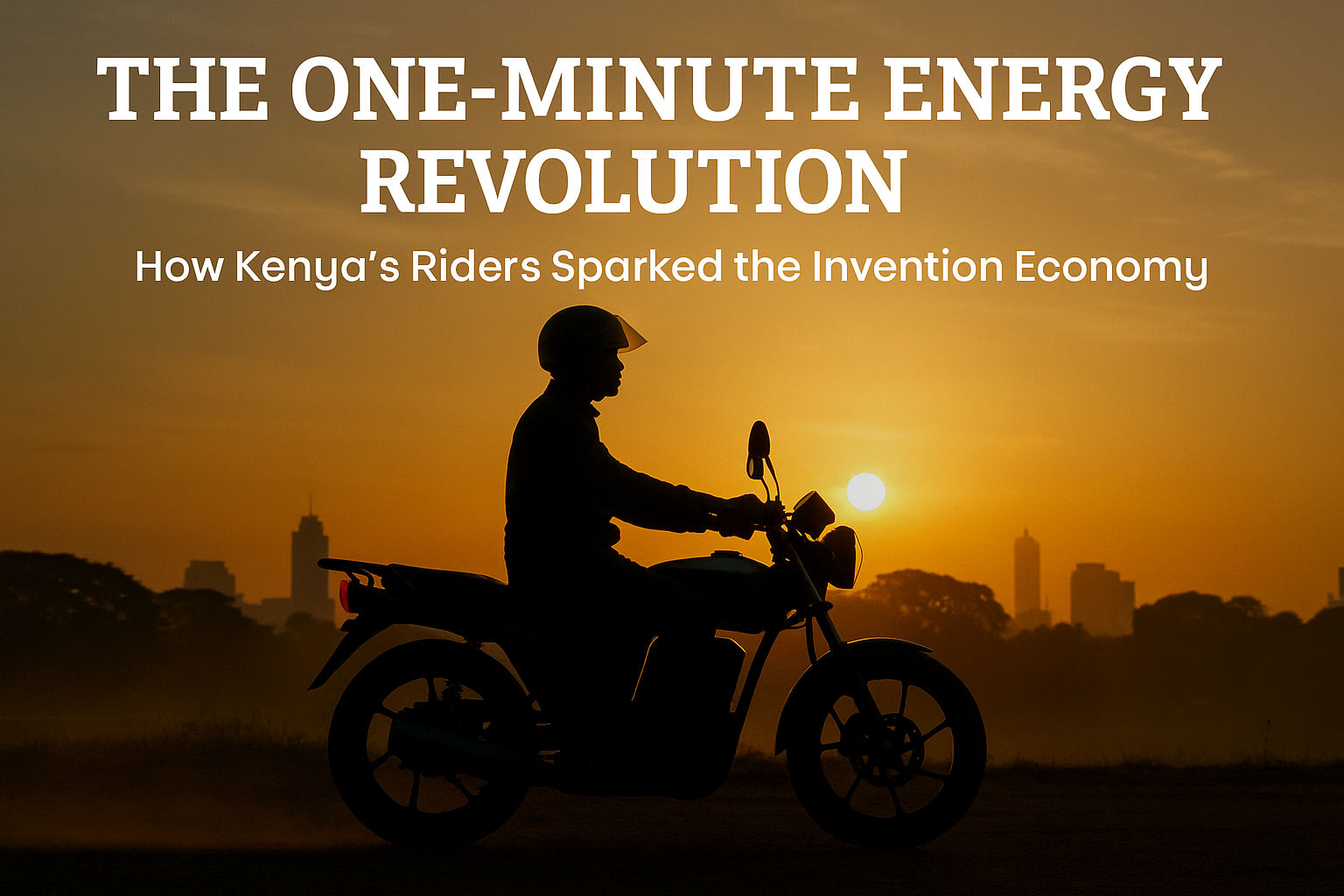
The streets of Nairobi are buzzing with a quiet transformation that few people outside the city have noticed. For years, boda boda riders have been trapped in long petrol lines, losing precious income minute by minute. A rider’s day is measured in motion, and every pause is costly. When fuel prices rise or queues stretch for blocks, their entire livelihood hangs in the balance.
Spark Story 2 follows this familiar struggle, beginning with the exhausted face of a rider stalled in line as dusk settles over the city. His frustration is not dramatic; it is the weary resignation anyone feels when control slips away. Yet this is also where the story begins to shift. One small breakthrough, almost too simple to seem revolutionary, is changing everything. Mazi Mobility’s battery-swap stations allow riders to exchange a depleted battery for electric motorcycles for a fully charged one in under a minute. No waiting. No fuel lines. No unpredictable fuel prices. Just a fast, seamless swap that returns control to the people who need it most.
The final panel widens the frame, showing a road filled with riders moving confidently through Nairobi’s golden sunrise. This is more than convenience. It is the beginning of the Invention Economy — a world where ordinary Africans use practical innovation to reclaim time, stabilize income, and chart their own futures. The power shift is real, visible, and accelerating. For young innovators across the continent, the message is simple: learn the skills that turn problems into profit, because Africa is entering a new era of possibility.
(28)